
· 3 min read

Bank of England Annual Report – Banknotes Increase, Counterfeits Fall

Astrid Mitchell
Astrid Mitchell · Editor
Bank of England Annual Report – Banknotes Increase, Counterfeits Fall

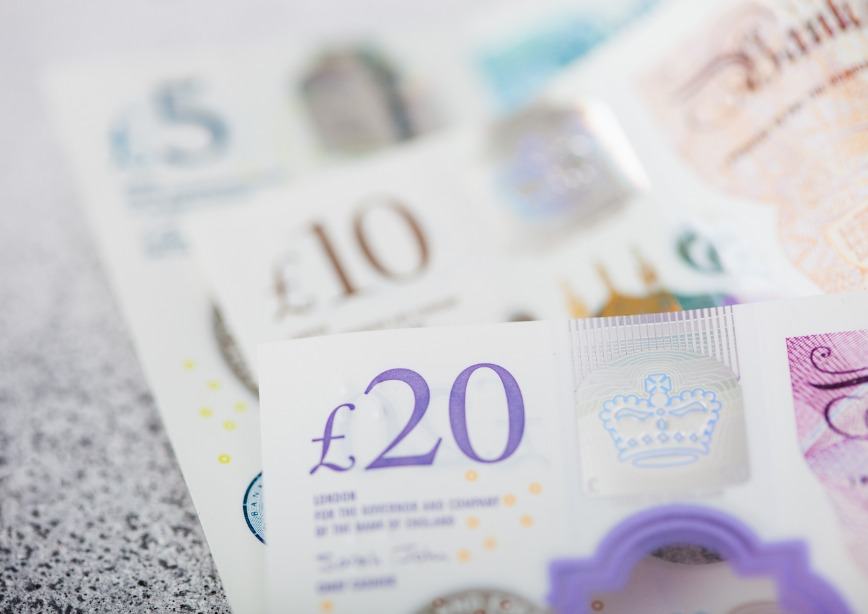
The week before the issue of the new £50, the Bank of England published its annual report for 2020/21, which showed an increase in notes in circulation of £10.3 billion (14%). It credited this increase to the launch of the new polymer £20 note in February 2020 and the pandemic. These figures are quite a contrast to the Reserve Bank of India’s annual report, also issued recently, which saw a 7.2% increase (click here for the article).

The volume of notes in circulation increased by 14.6% to 4.54 billion notes. The main growth was the £20 (20% to 2.2 billion), followed by the £10 (15% to 1.5 billion).

The report also touched on two projects undertaken by the Issue department this year. The transition of the £50 note to polymer, completing the series on polymer, and work on an end-state model for wholesale cash in the UK with the industry wholesale distribution steering group. This work ties in with the National Audit Office report of September 2020 and the Bank’s commitment ‘to supporting cash as a viable means of payment for as long as the public wants to use it.’ 

In October 2020 the Bank also announced the extension of its production contract for printing banknotes with De La Rue to 2028.

Production costs were flat at £78 million and issue, custody and payment costs were £30 million, a million lower than the previous year. The Bank’s income from securities of, or guaranteed by, the British government were down sharply from £160 to £104 million, less than the production and issue costs. Income from other securities and assets were also significantly lower, falling from £543 million to £105 million.

In terms of counterfeiting, separately published figures showed a sharp drop – from c. 100 PPM in 2019/20 to 37 PPM last year. The figures cover all notes (paper and polymer) and the vast majority (85%) of counterfeits were of the £20. 11% were of the £50. According to the Bank, the national lockdowns and lower transactional usage of cash were the main reasons for the reduction.

The Bank has issued a separate report alongside the Annual Report looking at the environment, ‘The Bank of England’s Climate-Related Financial Disclosure 2021’. It has agreed with its polymer substrate suppliers (CCL Secure and De La Rue) that future contracted supplies for all denominations will be carbon neutral.

Carbon emissions relating to the Bank’s polymer substrate have fallen near 20% between 2019/20 and 2020/21 due to lower banknote production volumes and existing initiatives to reduce emissions. The reduction to carbon neutral will be achieved by further carbon reduction initiatives by the suppliers and offsets purchased by the suppliers.

The Bank had 1.3 billion notes returned for destruction, 97% of which were paper notes following on from the move to the polymer £20 denomination. Paper notes are either composted or used in ‘energy from waste’ schemes. Polymer notes are recycled into other polymer products.

Value of banknotes in circulation –1975-2020 (source: Bank of England). 

Subscriber content

Read the full article

Full access to Currency News articles, newsletters and archives.

Sign Up to Currency News Weekly

Receive regular updates on the latest news and articles posted on our website.