
2020: A Good Year for Polymer Banknotes

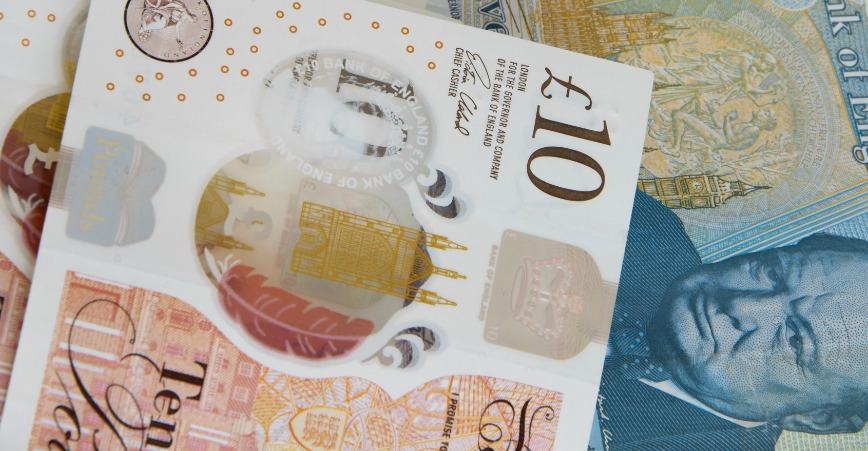
Competition creates energy and change. It can be argued that 2020 was the year where the impact of there being two suppliers of polymer substrate in the banknote market started to be seen. The take-up of polymer by central banks accelerated, while investment brought new security features to market, more capacity and more recycling capability.
The history of polymer banknotes is well known. The Reserve Bank of Australia first issued a commemorative polymer note on Guardian™ in 1988, followed by a circulating $5 banknote in 1992, with the number of banknotes on polymer steadily growing over the next 25 years.
Large scale adoption of polymer by major currencies, including Vietnam, Romania, Singapore, Hong Kong, Mexico, and Canada meant that – by 2011 – the use of polymer had spread worldwide. The latter was particularly significant because not only was it the first G7 country to adopt polymer, but it made explicit that its decision was based as much on the security offered by the substrate as its durability.
Subscriber content
Read the full article
Full access to Currency News articles, newsletters and archives.