
Sustainability: A Hallmark of Cash

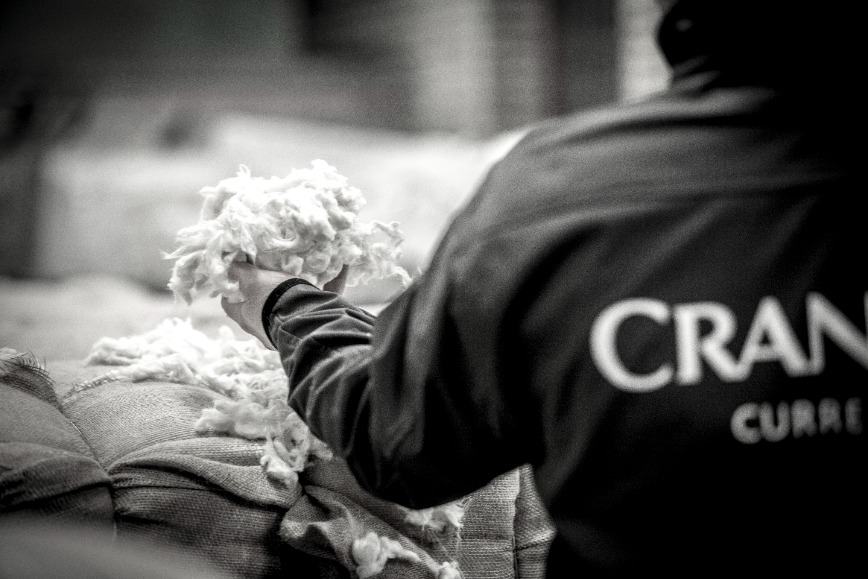
An early memory, when beginning my career at Crane Currency, was noticing long rows of steaming compost in the fields adjacent to the company’s banknote paper mills. I learned that much of this organic material was made up of solids from the papermaking process – cotton and flax ‘fines’ that, when mixed with other field and yard waste, produced a rich and valuable compost. On the production site itself, there were no foul smells, no belching smokestacks, no noxious or toxic outputs. It was simply a process for converting cotton and flax fibres into the most durable banknote paper in the world.
In the first half of the 1990s, it was estimated that nearly 50% of the US population was clothed in part by Levi Strauss & Co. – the legendary maker of blue jeans. The use of clippings from the production of Levi’s clothing was used to produce the most American of all products, US currency paper. That ended abruptly when stretchy plastic spandex was spun into the denim fabric. Blue jeans became softer, but the petrochemical additive that gave the world skinny jeans was also a contaminate that consigned this celebrated environmental synergy of using clippings from Levi’s clothing to the dustbin of history – or, as is the case for so many plastics, the landfill site.
Subscriber content
Read the full article
Full access to Currency News articles, newsletters and archives.