
More Caribbean Countries Switch to Polymer

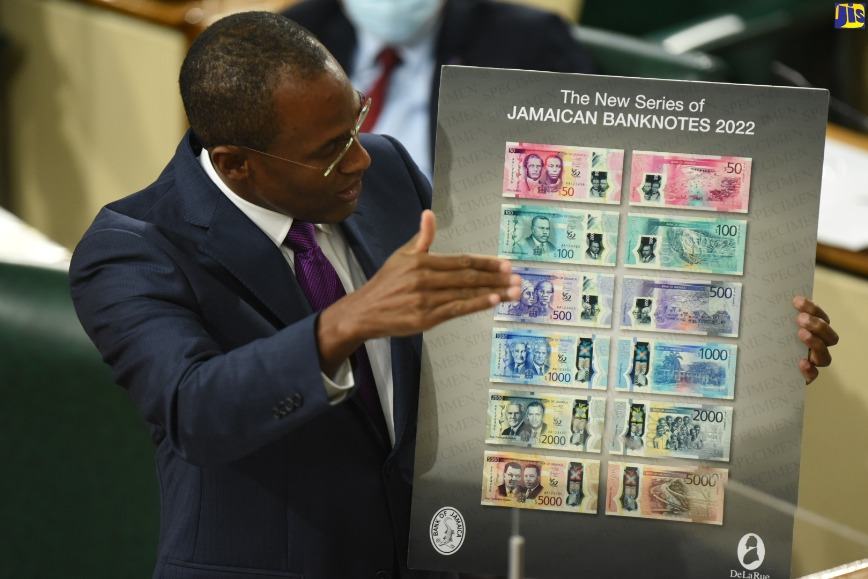
The switch from paper to polymer banknotes in the Caribbean is gathering speed, with two countries announcing in March that they will be making the change.
First was the Bank of Jamaica, which will issue a new series on polymer by the end of the year, coinciding with the country’s 60th anniversary of independence,. including a new $2,000 denomination. The notes will be printed by De La Rue on its SAFEGUARD® polymer.
According to the Bank, the objectives of the new notes are to enhance security, better satisfy the needs of the visually-impaired, save costs, ensure a clearer distinction between the different denominations, ensure the principles of fair trading are met and honour past prime ministers and national heroes.
The front of each denomination will feature two individuals, paired according to their contribution to Jamaica. The reverse of the notes will continue to feature Jamaican images that exist on the current notes.
Subscriber content
Read the full article
Full access to Currency News articles, newsletters and archives.