
Composting from Waste of Intaglio Wiping Solution

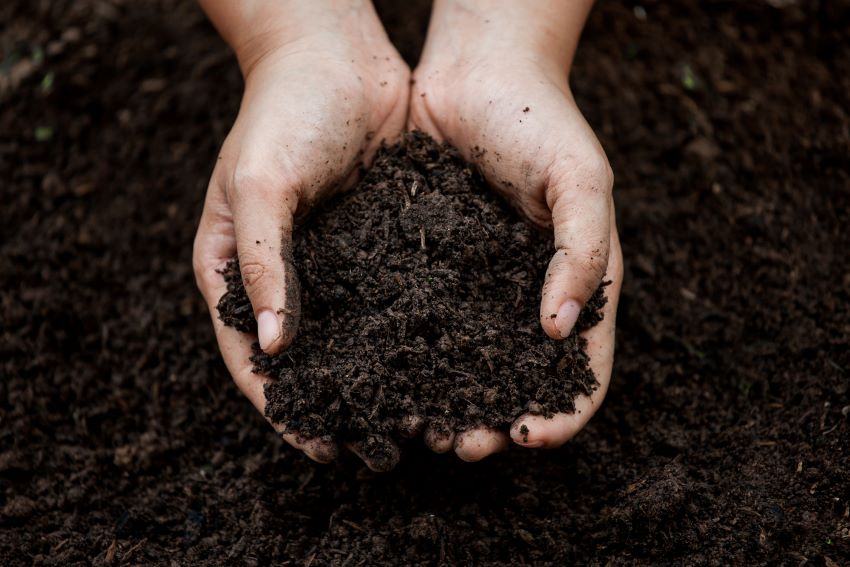
In a separate develoment to its new app, BioBanknote, has developed a composting solution for the disposal of solid waste created in intaglio wiping solution, often referred to as ‘sludge’.
In a separate develoment to its new app, BioBanknote, has developed a composting solution for the disposal of solid waste created in intaglio wiping solution, often referred to as ‘sludge’. Intaglio printing, an essential element of any banknote design, uses an engraved printing plate which is covered in ink across the whole plate. The ink that is not in the recessed engraved parts of the plate must be wiped to remove the excess surface ink. The ink left in the engraved elements of the plate is then transferred with high pressure to the substrate, and the excess ink is removed with a plastic cylinder immersed in a tank containing the wiping solution. In modern systems, such as Aquasave, the wiping solution is composed of soft water, caustic soda (NaOH – sodium hydroxide) and sulfonated castor oil, in proportions to the formulation of the ink used. In order to reduce the consumption of this wiping solution, the presses are designed to recover the wiping solution so that it can be recycled (known as Depuration Systems). The recovery processes consists of three stages: 1. Flocculation – the wiping solution is held in a collecting tank. Flocculant agent is added, usually calcium chloride (CaCl2) or ferric chloride (FECL3) and, in a decantation tank or using centrifugation, so that the solid material is separated from the liquid (contaminated solution). The solid material is stored as waste resulting from the process. 2. Filtration – the contaminated solution is transferred to a treatment tank in which it is mixed with a filter medium: perlite or fossil flour. The mixture is then passed through a filter that separates the remaining solids, delivering a clean solution, although it is not necessarily ready to be reused. The resulting solid is added to that obtained from the flocculation process. 3. Recycling – once this is done, the recovered solution is reincorporated to the solution preparation tank where it is mixed with new solution, adjusting the proportions of the components. Sludge disposal options This solid material (sludge) is not straightforward to dispose of. Currently it is either chemically treated, incinerated or deposited in landfill sites. The volume of sludge generated in the production process is relatively high since while the whole plate is inked, only a relatively low percentage of the ink actually ends up on the substrate. BioBanknote has been investigating alternative ways to dispose of this intaglio sludge based on an organic treatment of the sludge. It incorporated and dosed sludge with a set of waste products of organic origin. At the end of 12 weeks the resulting material could be used as a beneficial soil amendment. It has successfully tested this approach and believes that this approach can be adopted as a way of disposing of sludge in future. Determining suitability Each banknote printing plant is different and the ink formulation varies depending on different banknote designs. The proportions of the cleaning solution are not standard in all printing plants. As a result, all sludges are different and they will need a distinct formula recipe to achieve a compost that meets national standards. For this reason, it cannot be automatically assumed that the procedure proposed by BioBanknote will work in all printing plants, and BioBanknote will likely have to prepare a specific formula for each waste sludge to convert it into a soil amendment. BioBanknote will need information related to the specifications of the intaglio inks used – the different pigments, the concentrations of the formulation of inks, the use optical effects additives: fluorescent, magnetic, IR, etc. It will need a description of the depuration process used, including the nature and proportions of all chemicals used in the process. Final word BioBanknote has completed industrial scale tests in Colombia and Chile and with a banknote printer in Europe. The results are largely positive and BioBanknote wants to conduct more trials to learn more and refine the approach even further. For printers, central banks, and suppliers of inputs for the banknote printing industry, BioBanknote’s solution offers an environmentally friendly solution along the principles of the circular economy and sustainability to disposing of a difficult material.
Subscriber content
Read the full article
Full access to Currency News articles, newsletters and archives.