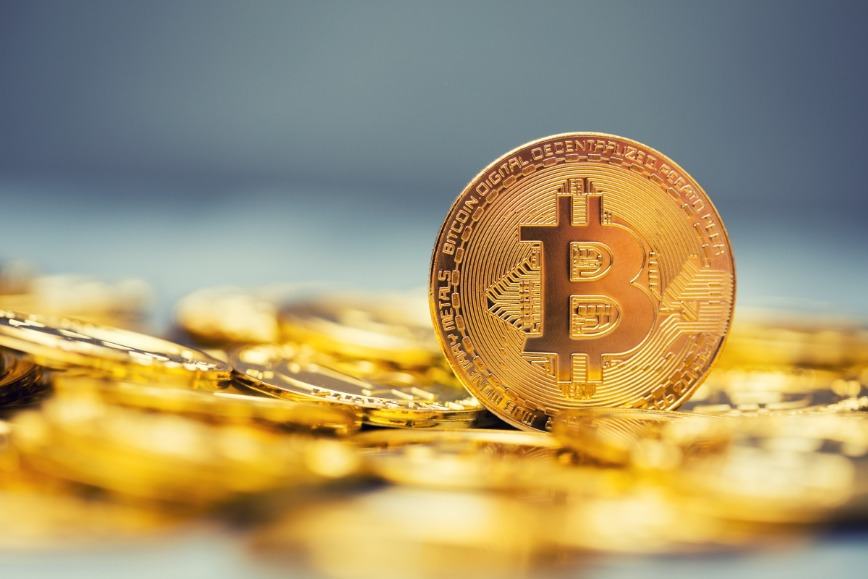
Bitcoin and Banknotes – When Physical Meets Digital
Cryptocurrencies, the best known of which is Bitcoin, exist almost entirely in the digital sphere, connecting with the physical world only if the owner writes down their digital key or if they use one of the growing number of ATMs where they can exchange their cryptocurrency for physical cash. A new venture, Noteworthy*, is looking to change that, embedding cryptocurrencies into what will look and feel like a traditional banknote.
Peter Vessenes, who was the founding Chairman of the Bitcoin Foundation, has teamed up with Larry Felix, former Director of the US Bureau of Engraving and Printing, to start a co-venture called Noteworthy. Felix is CEO and has gathered together a team to make this a reality. Many of their names will be recognised by banknote industry insiders, for example Philippe Barreau, Douglas Crane and Edmund Moy as part of his adviser team and Manuela Pfrunder and Thomas Hipschen in the design team (see sidebar).
Noteworthy is creating a physical document that looks like a banknote. It will be made of paper and have the full suite of banknote security features, including an intaglio engraving, that you would expect in a modern banknote.
This new Noteworthy ‘note’, technically a token, will represent various denominations of Bitcoin and, eventually, other digital currencies. The value of the note is fixed to the number of Bitcoins it can give access to, rather than to a fixed currency value. The currency value will change as the price of Bitcoin changes.
In addition to the note’s physical security features, it will also have an embedded secure microprocessor. This has cryptographic capability to store a private key that can be used to claim Bitcoin on the Bitcoin blockchain, and so secure that value on behalf of the person holding the note. The microprocessor also allows the note to interact with the dedicated Noteworthy mobile app which tells the user about the note.
Noteworthy has considered the risk of technology moving on, for example a change in RFID technologies used to communicate between the app and chip, and so the notes will include enough backup and recovery information in paper form that they will be recoverable as long as the paper lasts.
The concept behind Noteworthy and its note is that there are places and people who want to transact in Bitcoin. By creating a physical manifestation of Bitcoin as a note, it allows people to give and accept the note as payment in the same way as a fiat currency banknote. Noteworthy expects the note will initially be used mostly to store value, but this gives people the option of paying with it for daily transactions.
When you use Bitcoin, you use the digital key to access and release the Bitcoin for transfer. The change in status of the Bitcoin is recorded on and uses the distributed ledger technology (DLT) system. The Bitcoin ledger is updated once the information has been accessed through the embedded key and there has been a transfer of digital assets.
Noteworthy’s approach provides additional privacy over on-ledger transactions because there is no need to update the Bitcoin ledger when a note has changed hands. If, and when, a note is ‘unsealed’ using the key and the digital coins are claimed, then the ledger is updated and the note will visibly not be safe for hand transactions anymore. At that point, it is ‘spent’.
The plan is that people will, eventually, be able to buy these new notes anywhere that banknotes are issued today, including at banks.
*The Noteworthy Team
Philippe Barreau, Chair of the Secure Identity Alliance. Douglas Crane, Former Vice President Crane & Co. Edmund Moy, 38th Director of the US Mint. Manuela Pfrunder, designer of the 9th series of Swiss Franc banknotes and winner of the IBNS banknote of the year 2016. Thomas Hipschen, designer of 130 US postage and revenue stamps and engraver of the portraits used on the $5, 20, 50 and 100 banknotes.
Subscriber content
Read the full article
Full access to Currency News articles, newsletters and archives.