
· 2 min read

The Unique Identity of a Polymer Banknote

The Unique Identity of a Polymer Banknote

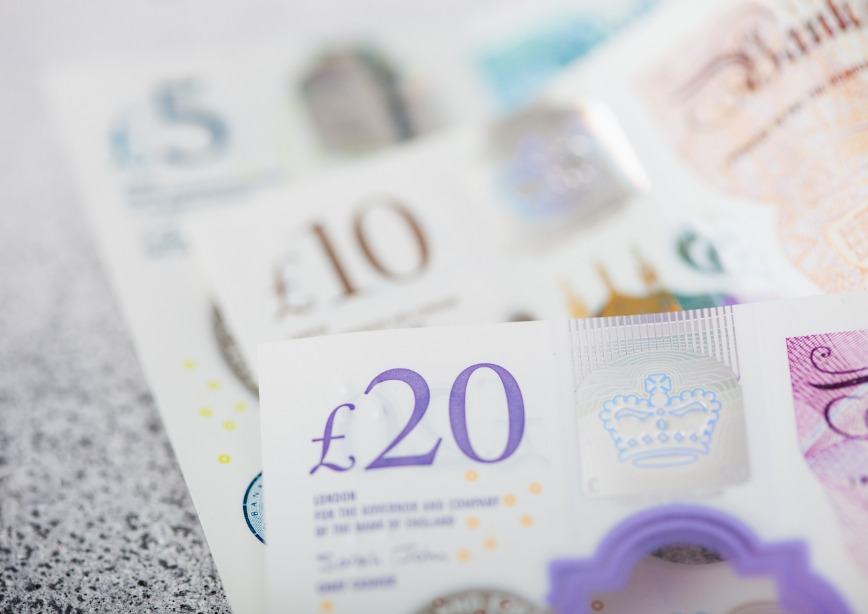
When a polymer banknote is produced, a number of opacification layers are printed onto the core substrate so that it can accept the traditional banknote printing processes such as litho, intaglio, screen and letterpress printing.

A research team at the universities of Warwick and Durham in the UK have studied 6,200 images taken from 340 UK banknotes and determined a unique identity of each banknote. They suggest that this is a way to safeguard polymer banknotes from counterfeiting by people who have access to genuine banknote printing inks and techniques.

The team have given their process a name, Polymer Substrate Fingerprinting. The opacity coating leaves an uneven coating layer with a random dispersion of impurities in the ink. This results in random translucent patterns when a polymer note is bank lit by a light source. Using a commodity negative-film scanner, the patterns are processed into a compact 2048-bit vector which creates a unique identify, a ‘fingerprint’.

To find these impurities, the scan must be of an area not overprinted by other security print layers. It helps that polymer notes are overprinted with a final varnish layer that protects the printed layers underneath from rough daily handling so that this fingerprint can be identified, even on well used notes.

The extracted fingerprint contains about 900 bits of entropy, which is significantly more than the 249-bit entropy required for codes used in iris recognition. As a result, the technique is scalable and it is, theoretically, possible to identify every polymer note in circulation around the world today.

The authors suggest that this approach has the advantage of defeating counterfeiters using the same equipment and inks as real banknote printers.

In reality the number of such counterfeits is small and the need to be able to compare the suspect document against a known library of the identity of genuine banknotes is not without its challenges. But this research does give new options for the future.

Subscriber content

Read the full article

Full access to Currency News articles, newsletters and archives.

Sign Up to Currency News Weekly

Receive regular updates on the latest news and articles posted on our website.