
· 3 min read

EU Moves Ahead with Proposals for Uniform Cash Limits

Astrid Mitchell
Astrid Mitchell · Editor
EU Moves Ahead with Proposals for Uniform Cash Limits

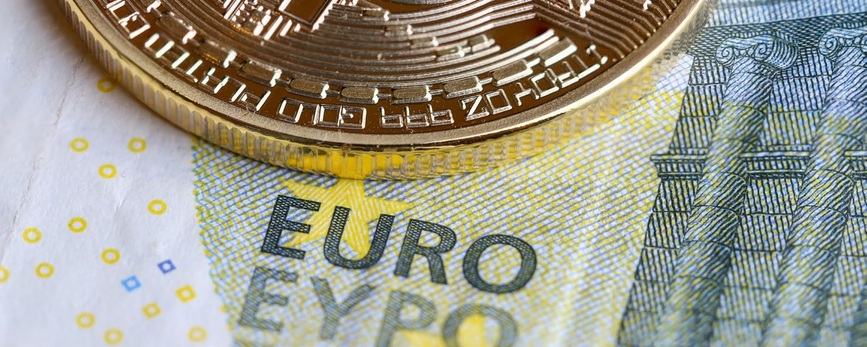
The European Union has announced a set of new directives to limit the amount of cash and crypto transactions in a move, it says, that will crack down on money laundering and terrorist financing.

The new limit for cash payments will be €10,000 in all EU member states. Any cryptocurrency transactions over €1,000, meanwhile, will face due diligence inquiries of the crypto-asset service providers (CASPs) facilitating them.

In addition to cash payments and cryptocurrencies, third-party financing intermediaries and those trading in precious metals, precious stones and cultural goods will also be subject to the regulation, as will jewellers, horologists and goldsmiths.

According to Zbynek Stanjura, the Czech Republic Finance Minister, ‘cash payments of more than €10,000 will be impossible. Remaining anonymous when buying or selling crypto assets will be much more difficult. Hiding behind several layers of corporate ownership will no longer work. It will be even more difficult to launder dirty money with jewellery or goldsmithing.’ 

At the moment, the limit for cash payments in the 27 EU countries is different. For example, the strictest rules apply in Greece, where cash payments above €500 are banned. In Spain, the limit of €1,000 was imposed in 2018 (described by the ECB at the time as disproportionate ‘as it could limit the usage of cash as an effective legal tender’).

In France and Italy the limits are €1,000 (for residents) and €3,000 respectively (albeit the new government in Italy is calling for this to be raised to €5,000, and to allow merchants to reject digital payments under €60).

At the other end of the scale are Croatia and Poland, with limits to the equivalent of €15,000. There are also countries in the EU where there is no limit at all – eg. Estonia, Finland, Ireland, Cyprus, Luxembourg, Malta, Germany, Austria and Sweden.

In total 17 out of the 27 EU member states have cash limits. Assuming that the directive goes ahead, 13 countries will actually see existing limitations increase (although countries will still be allowed to set their own limits under the €10,000 threshold).

Whilst the conflation of cash and crime will aggrieve cash proponents, who argue that the link is tenuous and unproven, the so-called Qatargate scandal within the EU corridors of power will not have helped their case.

EU politicians, political staffers, lobbyists, civil servants and their families are alleged to have been involved in corruption, money laundering and organised crime involving Qatar and Morocco in exchange for influence at the European Parliament. Eight people have already been arrested and four charged, among them the former Vice President of the European Parliament – with graphic images splashed across the media of suitcases and bags stuffed full of cash found at their homes, so far totalling around €1.5 million.

The move to impose limits on cash predates this scandal, being a continuation of a package of legislative proposals presented in 2021 to strengthen the EU’s rules on anti-money laundering and countering the financing of terrorism (AML/CFT).

Now that the Council has agreed its position on the anti-money laundering regulation and directive, it is ready to start trilogue negotiations with the European Parliament in order to agree on a final version of the texts relating to cash limits and crypto transactions.

In 2018, after a two year consultation, similar proposals to apply uniform cash limits across the EU were turned down by the European Commission on the grounds that ‘while tax fraud and the use of cash are often associated, the study demonstrates that the relationship between the two is not always clear-cut.’ Why this decision has now been reversed after just four years is not clear cut either.

Subscriber content

Read the full article

Full access to Currency News articles, newsletters and archives.

Sign Up to Currency News Weekly

Receive regular updates on the latest news and articles posted on our website.