
· 2 min read

Celebrating 20 Years of the Euro, and Record Lows for Counterfeiting

Astrid Mitchell
Astrid Mitchell · Editor
Celebrating 20 Years of the Euro, and Record Lows for Counterfeiting

On 1 January 1999, 11 EU countries fixed their exchange rates, adopted a shared monetary policy under the European Central Bank, and launched their new common currency. The euro was born as an electronic currency.

Three years later, and with the addition of one country, euro banknotes and coins were introduced in 12 countries, providing the combined population of 309 million people with a visible and tangible symbol of European integration.

Today, the euro is the currency of 19 EU countries and over 340 million Europeans, and the second most important currency in the world (after the US dollar). A further two countries (Croatia and Bulgaria) will join in the next couple of years. In addition, the euro is the official currency of a further three countries, and the unofficial currency of several more.

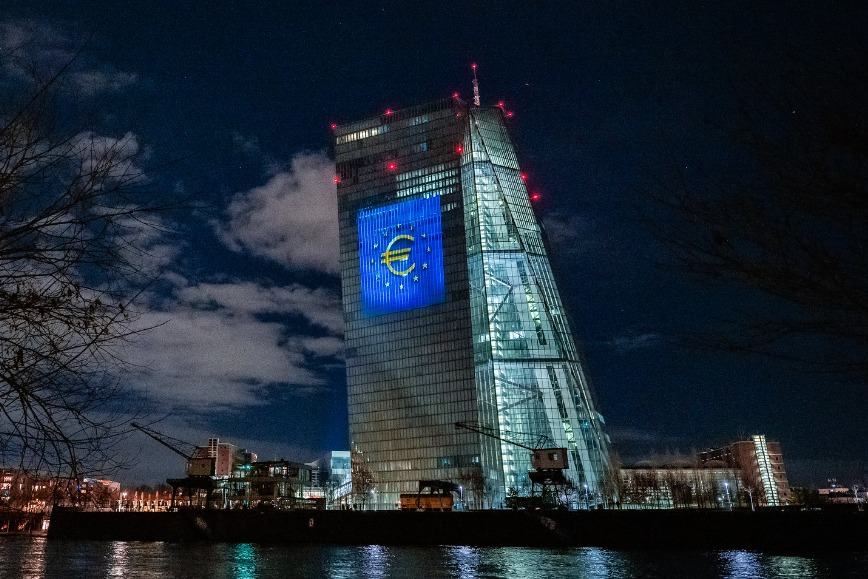
The ECB and national central banks (NCBs) in the eurozone held a number of celebrations to mark the anniversary (albeit mostly virtual due to ongoing COVID restrictions) of what was a phenomenally successful exercise – both logistically and in terms of public acceptance and approval (with an approval rating now standing at 78%).

More than 15 billion banknotes were produced in 15 printworks across Europe in preparation for the launch, along with 38.5 billion coins. 20 years on, the number of notes in circulation is now 28 billion (as of the end of December 2021). For coins, the corresponding figure is 141 billion.

To add to the celebrations, this month the ECB released its latest counterfeiting statistics for 2021, which show that counterfeiting is a historically low levels, beating the all-time low of last year. The ratio now stands at 12ppm, compared with 17ppm in 2020. At its height, in 2009, it stood at 67ppm.

Some 347,000 counterfeit euro banknotes were withdrawn from circulation in 2021 (180,000 in the second half of the year), a decrease of 24.6% when compared with 2020.

According to the ECB, the current Europa series of banknotes contain upgraded security features which, together with less cash societies, helps explain why euro counterfeiting continues to fall year on year. However, less cash does not mean less banknotes, as last year’s figures show a historically low level of counterfeiting in proportion to banknotes in circulation.

So the cash paradox continues, as does the reduction in counterfeiting activity.

Subscriber content

Read the full article

Full access to Currency News articles, newsletters and archives.

Sign Up to Currency News Weekly

Receive regular updates on the latest news and articles posted on our website.