
Counterfeit Corner

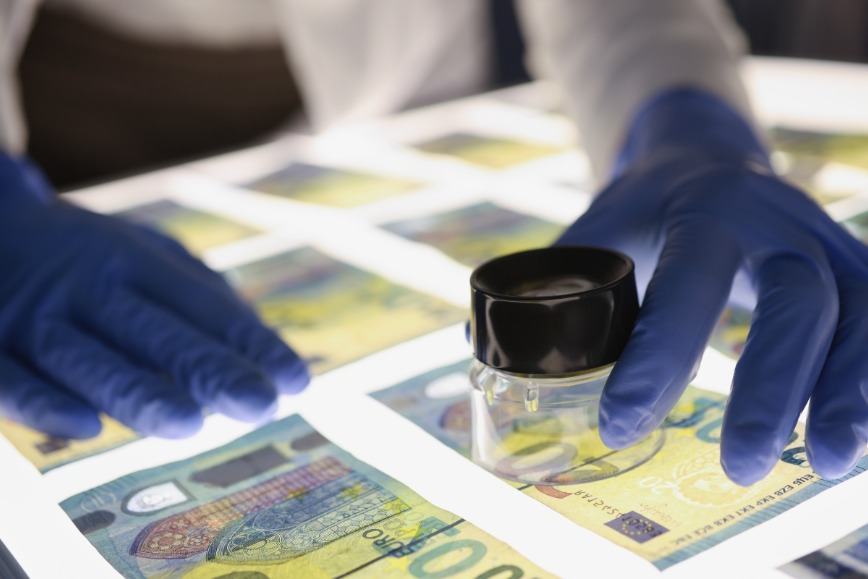
Many counterfeiters use a common method of counterfeiting called ‘bleaching’ to create their fakes. This technique is frequently observed in countries that have the same size banknotes across all denominations, such as the US dollar.
So, how does it work?
A counterfeiter will remove the ink from a genuine banknote (usually a low denomination) using strong household chemicals, such as oven cleaner or graffiti remover, then print a larger denomination on the blank genuine substrate.
If the intaglio ink is particularly difficult to remove, they may soak the banknote in the chemical solution and heat in a microwave. Some counterfeiters have even used electric toothbrushes to scrub the surface!
An inkjet or laser printer is commonly then used to print the larger denomination.
Subscriber content
Read the full article
Full access to Currency News articles, newsletters and archives.