
Counterfeit Corner

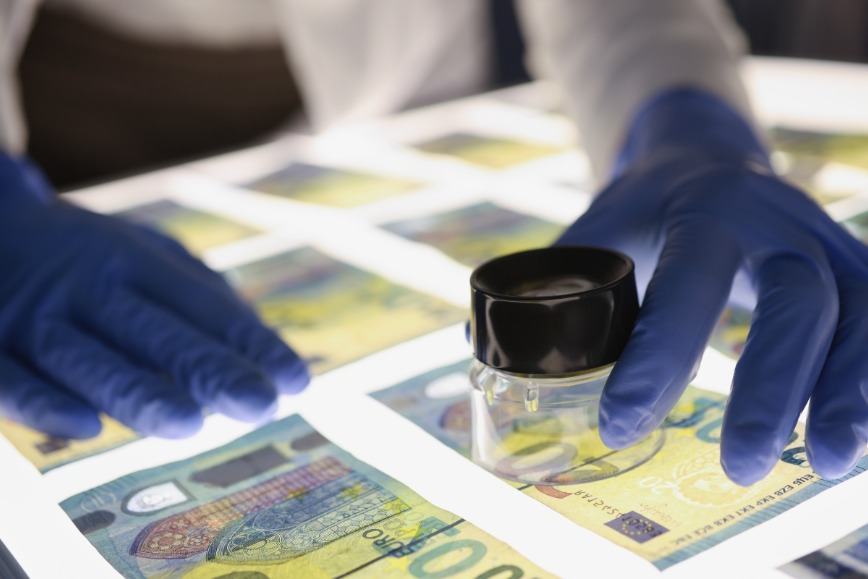
What should I do with the foreign counterfeits I receive?
I am frequently asked this question, especially when statistics are being discussed. Many countries receive counterfeits from neighbouring countries as well as global currencies (such as US dollars and euros), but are these notes included in the counterfeiting statistics reported by central banks?
First, someone must examine the foreign note to determine if it is counterfeit, which should be done by an expert with the proper training in printing processes and security features.
Any high-quality counterfeits, such as offset or intaglio, should be sent to the country responsible for issuance, to determine authenticity. This is important for two reasons: accuracy and investigative information. The suspect counterfeit note may in fact be genuine or have a production defect that should be corrected. Does the counterfeit contain a new technique for simulating a security feature that should be examined and recorded? The counterfeit may be a note that the issuing country has not seen yet.
Subscriber content
Read the full article
Full access to Currency News articles, newsletters and archives.